
Pulp Therapy Levittown
Saving Your Child’s Teeth
There is a common myth that baby teeth are not important; some people believe that if a baby tooth gets damaged or infected, the best thing to do is remove it. The reality is that premature extractions of baby teeth can have a number of negative effects, so our Levittown pediatric dental team is committed to saving teeth whenever possible. One means we might use to do so is known as pulp therapy.
Why Choose Happy Teeth for Pulp Therapy?
- Preserve Teeth & Support Your Child’s Oral Development
- Sedation Available to Help Kids Relax
- Highly Skilled & Compassionate Pediatric Dental Team
What Is Pulp Therapy?
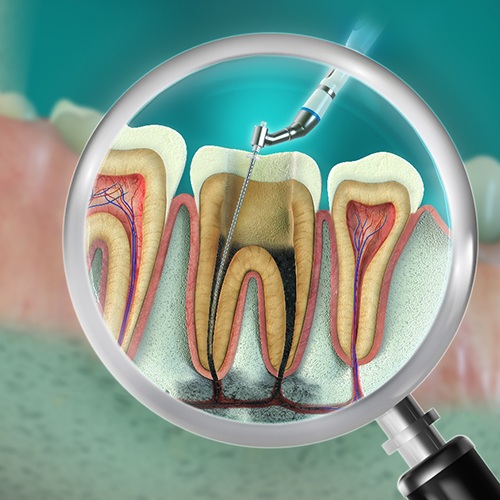
Pulp therapy is a general term that can refer to either a pulpotomy or pulpectomy. Both of these treatments focus on the innermost layer of a tooth, known as its pulp. This soft tissue consists of nerves, blood vessels and other important components. When it is damaged or infected, it may need to be treated with pulp therapy.
During a pulpectomy, we remove the pulp from both the crowns tooth and roots; this is similar to a root canal. A pulpotomy is less invasive; it involves removing the pulp from only the tooth’s crown portion.
How Is Pulp Therapy Performed?

The first step in pulp therapy is to make your child comfortable. We will thoroughly numb their mouth, and we may administer sedation as well.
Once they are settled in, we will carefully access the tooth’s interior and remove the infected tissue from inside their tooth. Then, we fill in the tooth with a special inert material to help it maintain its strength and structure. After pulp therapy, we might place a crown to protect the tooth, though that is not always necessary.
When Should a Child Undergo Pulp Therapy?

Some common indications for pulp therapy include:
- Your child frequently complains of tooth pain, especially when they are eating hot, cold, or sweet foods.
- You notice visible swelling or redness around your child’s gums, which could indicate infection or inflammation.
- Your child’s tooth has experienced trauma, such as a crack or fracture, that exposes the inner tissues.
- Our team identifies a deep cavity that has reached the pulp of the tooth during an examination or with X-rays.
- Your child’s tooth is sensitive to touch or pressure, even when they are not eating or drinking.
- A tooth is discolored.
Since pulp therapy is usually performed on baby teeth, we often recommend it for damaged teeth that are not due to fall out on their own within a reasonable period of time. Keeping baby teeth until they naturally come out will protect your child’s oral development and preserve space for incoming adult dentition.